
Solvents: Essential guide.
| Read Time: 5 mins | Format: Guide
Why do we trust this source?
Hairspray, deodorants, lighter fluid, and nail polish remover are all solvents. They are harmless when used as directed, but inhaling these products can be risky. Here’s how risky – and how to keep people safe.
Who uses solvents?
Young children (aged 11 and under) generally do not use drugs. But the small number who do start experimenting at this young age will often start with solvents. Household products are readily available and do not need any equipment or preparation to inhale, making them ideal in the eyes of young children looking to experiment. Adults also use solvents, but it can be hard to know how many. In 2020, the average age of those who died from solvent use was 46.
How do people use them?
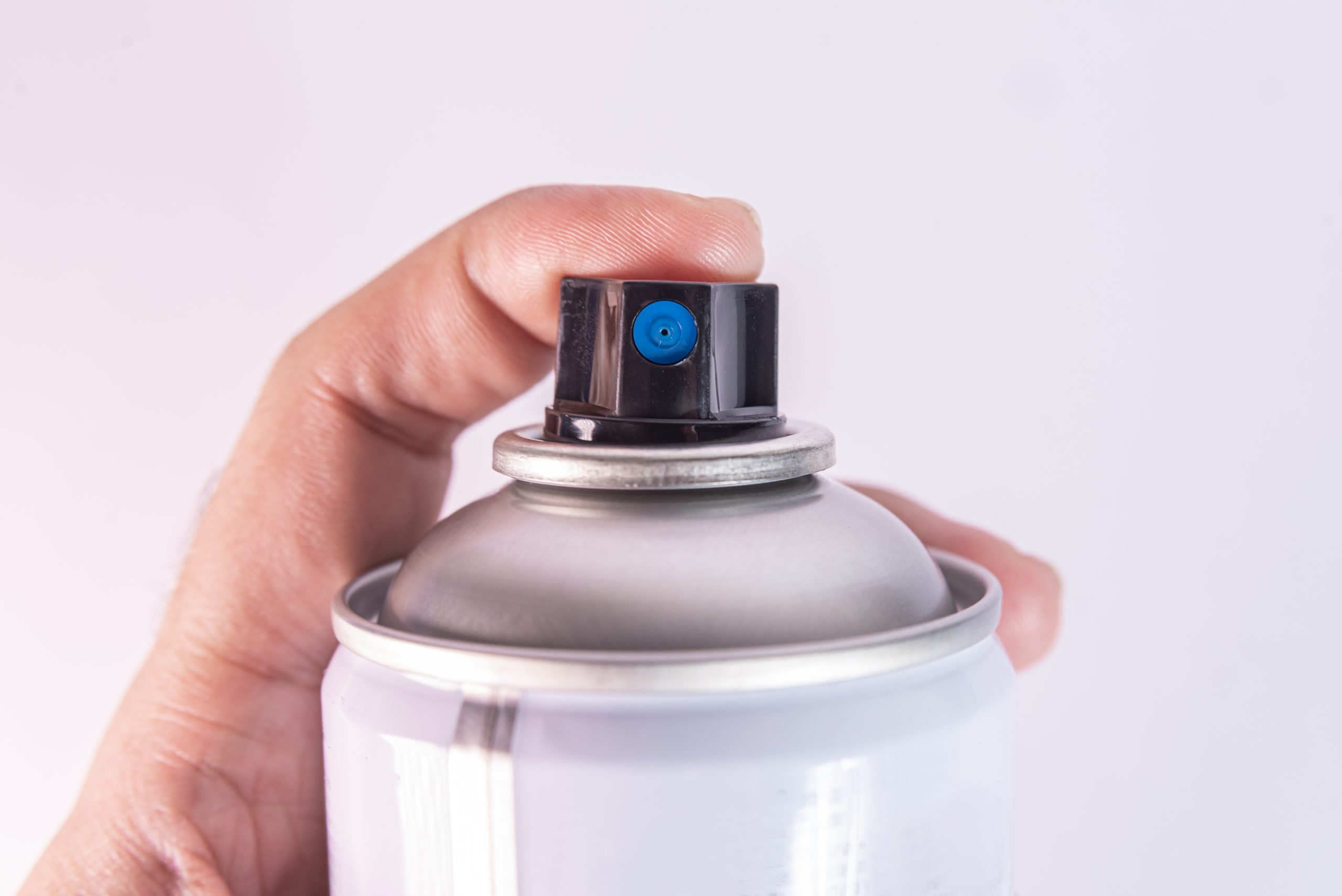
People inhale solvents. They may turn a can of hairspray or deodorant upside down so that butane gas sprays out of the nozzle. They may spray it through a sleeve or piece of cloth, trapping the liquid before inhaling the gas (look out for stains on sleeves or household cloths). Lighter fluid or nail varnish remover can be sniffed. Nitrous oxide is released into a balloon and then inhaled from this.
The effect
You feel lightheaded, dizzy, giggly, or spaced out – generally for just a few minutes before the effects wear off. Because the effects are so brief, there is a high incentive to use again immediately which can make solvents very addictive. Afterwards, you may feel nauseous and have a headache.

Solvents can make a person feel spaced out, but can also give them a headache and leave them feeling sick
How do I know if someone is inhaling solvents?
Certain products – deodorants, hairspray, lighter fluid – may be used unexpectedly quickly. You may notice a bedroom very heavily scented with deodorant, particularly if this happens at an unusual time of the day. You may find empty canisters or stained cloths (used to inhale the solvent) hidden behind furniture. A young person may complain about headaches and nausea, or you may notice spots or rashes around their nose and mouth. If you notice any signs a person has just used a solvent, don’t confront or challenge them right away. This can be dangerous (see sudden sniffing death syndrome).
Risks
Thankfully, most young people will not experience significant harm. It will satisfy a curiosity and then they will stop. Others will have an unpleasant experience they don’t want to repeat. But some may find a brief headrush rewarding and want to experience it again. Repeated use can lead to addiction, and prolonged addictive use can damage the central nervous system so they may struggle with concentration, mood, memory and coordination. People may also use in riskier ways to maximise the effects. They may inhale a lot of solvent in one go. They may spray a solvent into a bag placed over their head. They may spray a solvent under thick covers, such as a quilt, greatly increasing the risk of asphyxiation.

Anyone using solvents should open a window. They should not be used in a confined space.
Sudden sniffing death syndrome
Inhaling solvents can make the heart beat fast and chaotically which may be experienced as a strange fluttering sensation in the chest. If a person also then experiences a sudden spike in adrenaline, such as the shock of a parent entering the room, this can lead to a cardiac arrest (the heart stopping). Thankfully this is rare but it can happen to anyone using solvents. For this reason, you must always stay calm and never startle, challenge or confront a person who has just been using solvents.

Don’t do this. Reacting with shock when a person has just used solvents is dangerous. Stay calm.
Reducing risk
Replacing spray-on deodorants with roll-on alternatives can reduce a child’s access to solvents. Parents should also consider attending our Talking to Children and Young People about Drugs course – so they know how to talk with a child about risks. Meanwhile, anyone using solvents, should follow these steps:
- Only use solvents in a well-ventilated room. If you feel you need to shut a door for privacy, make sure to open a window.
- Never place a bag over your head or smother yourself with covers to increase the effect. You may pass out and then asphyxiate.
- Do not spray solvents directly into your mouth. It can cause chemical burns and poisoning.
- Sit down when inhaling. You may suddenly feel dizzy or drunk after inhaling so you may fall over and hurt yourself.
- Be somewhere safe. If you have just used solvents, it could be dangerous to try and cross a busy road as your judgement may be impaired. Similarly, never drive.
- Don’t smoke or be near naked. Solvents are highly flammable. Do not light up a cigarette or spliff when using solvents or shortly afterwards.
- Don’t mix with other drugs. Mixing with depressant drugs (like alcohol) can dangerously slow down your breathing. Mixing with stimulants (like ecstasy, cocaine, and even energy drinks) can increase your heart rate and the risk of Sudden Sniffing Death Syndrome.
- Monitor how much you use. Heavy, regular use comes with higher risks and can be harder to stop. If you notice you are using more, try and cut down. If you can’t, then ask for help.
Who can help?
Re-Solv is the UK’s leading charity for people affected by solvent use – including family members looking for advice. You can phone, email, or use their website chat feature. You can also get support to reduce or quit from your local drug service.
Looking for more info?
We highly recommend watching Drug Education Forum’s interview with Re-Solv’s Daniel Gibbons.