Can no and low alcohol products help you cut down?.
| Read Time: 5 mins | Format: Guide
Why do we trust this source?
Are no and low (NoLo) alcohol drinks too good to be true? They promise many of the upsides of drinking beer, wine, and spirits, with none of the downsides. No drunkenness. No hangover. No liver damage or long-term health risks. Perhaps the worst thing is the sugar content, but other than this… what’s the catch?
Dr Nadine Waehning and her team at the University of York have extensively researched the subject and discovered that NoLo products have changed considerably in recent years. Consumers say that some are great (mostly the beers), some are hit and miss (wines), but they are generally much better than they were back in the 1980s when brands like Kaliber and Barbican first arrived on the scene.
Drink companies have worked hard to improve the taste, flavour, mouthfeel and branding of NoLo products – particularly when it comes to beer. And this is proving a big hit with consumers who are increasingly health-conscious and taking a more mindful approach to their drinking.
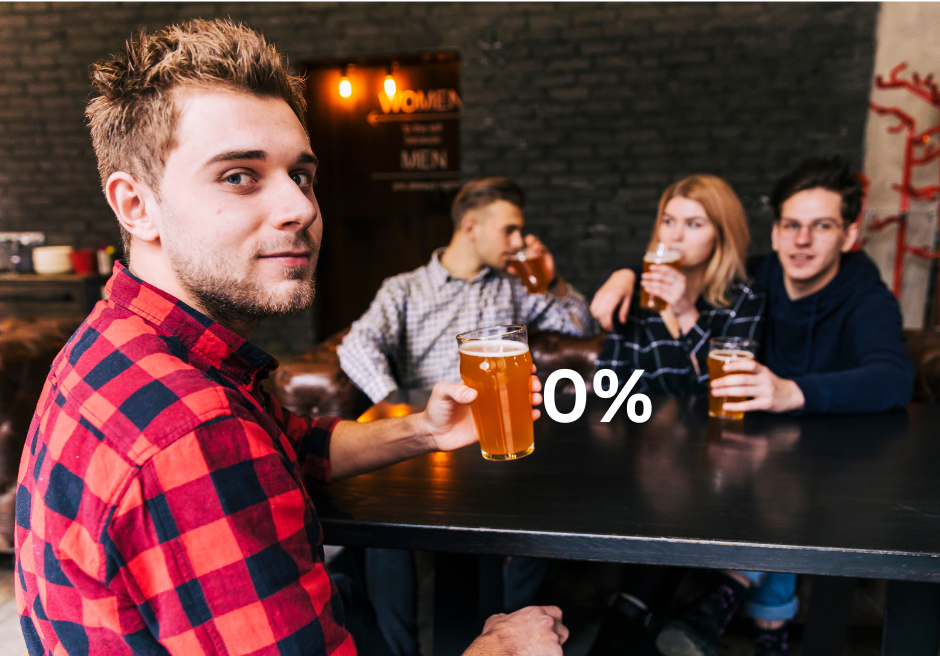
It’s not just 0%* drinks that are proving popular, though. Lower-strength alternatives for wine, beer and spirits are also increasingly available. There is no clear definition of what a low alcohol product is, but any beer below 3.7% ABV, any wine below 8.5% ABV, and any spirit 30% weaker than the usual ABV could be judged a low alcohol alternative.

Consumers are increasingly health conscious and taking a more mindful approach to drinking
Can you moderate your drinking with NoLo products?
We know that more people are consuming NoLo products, but does this mean they are drinking less alcohol?
Dr Waehning’s team reviewed the data and concluded that the picture of who, how, and why people consume NoLo products remains unclear. However, their own research suggests that some people switch between alcohol and NoLo products to help drink more moderately. NoLo products can also be useful for non-drinkers to abstain yet still feel socially included. Other research suggests people who usually drink higher-strength drinks can moderate their intake by swapping to lower-strength alternatives.
This is promising news for those looking to cut down without avoiding the pub or skipping a drink with a meal. Yes, there is always orange juice and lemonade, but consumers say that ordering soft drinks can make them feel self-conscious, excluded or different from everyone else. A NoLo beer or wine can provide a better solution and feel like a ‘treat’ or a ‘grown-up’ option.

Sometimes orange juice just won’t cut it
An unexpected barrier, however, isn’t so much the taste or flavour (this is getting better all the time), but the availability. Consumers say that having to ask the bar staff if they have NoLo products is a deterrent to ordering them, as is having to peer over the bar to find a small selection hidden partially out of view. Some pubs don’t stock them at all. It would be helpful for consumers if these products were more widely available and clearly displayed. It could be helpful for pubs, too, if they want to broaden their appeal to the increasing number of people drinking less – or not at all.
Can NoLo products help you quit drinking?
Using NoLo products to quit drinking altogether is something that hasn’t been fully explored by researchers. Certainly, if you are physically dependent (you experience withdrawal symptoms within 8 – 24 hours when you stop), then you should avoid trying to use NoLo products to quit. Instead, you should seek help from your GP or local treatment service.
However, for those who are simply looking for a healthier lifestyle, then NoLo products could be a useful way to stop without having to sacrifice time with friends in pubs and indulgent drinks with food.
To better understand your own relationship with alcohol, you can take this quiz with Alcohol Change UK).
*A lot of alcohol-free products are labelled at 0.5% ABV – but they contain only trace amounts of alcohol, and never enough to cause intoxication.